The Welsh I carry with me
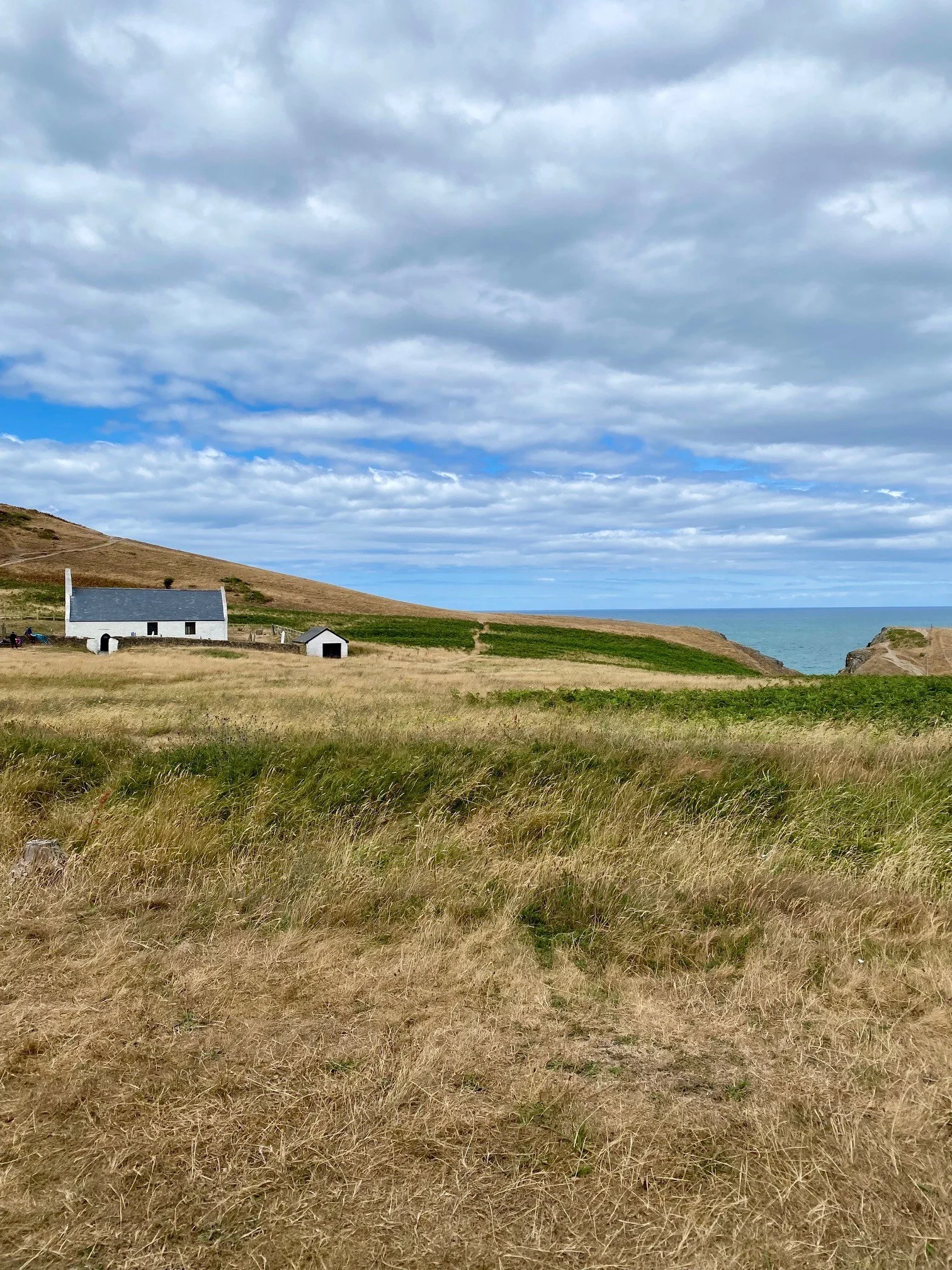
Language, belonging and the little pieces of Sir Benfro that shape who we are.
With Eisteddfod y Garreg Las coming to Sir Benfro, it feels like Welsh is everywhere at the moment. I'm hearing it more, noticing it more and thinking about all the little things I've probably taken for granted for most of my life.
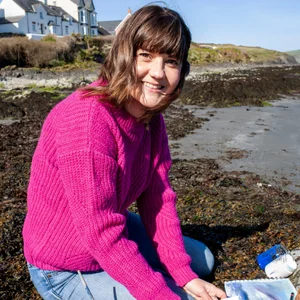
Recently, I've been teaching my boyfriend Welsh. It started with the usual things you teach someone close to you - the words that feel natural, the ones you want them to know because they belong to you somehow. Some words make him laugh. Some take a bit of practice. Some pronunciations still need a little work! But watching him learn has made me realise something quite special. I'm not just teaching him Welsh. I'm teaching him my Welsh. The Welsh of Sir Benfro.
The Welsh I grew up hearing at home, with family, in school and around the communities that have carried the language for generations. The Welsh shaped by this corner of West Wales - with our coastline, our towns, our hills and the people who have kept the language alive.
There are little words, expressions and ways of saying things that feel like home. They aren't just words. They carry a feeling. For me, Welsh was always just part of everyday life.
I grew up bilingual, moving between Welsh and English without really thinking about it. I never stopped to consider how lucky I was. It was simply how we communicated, how we joked, how we told stories. It was normal.
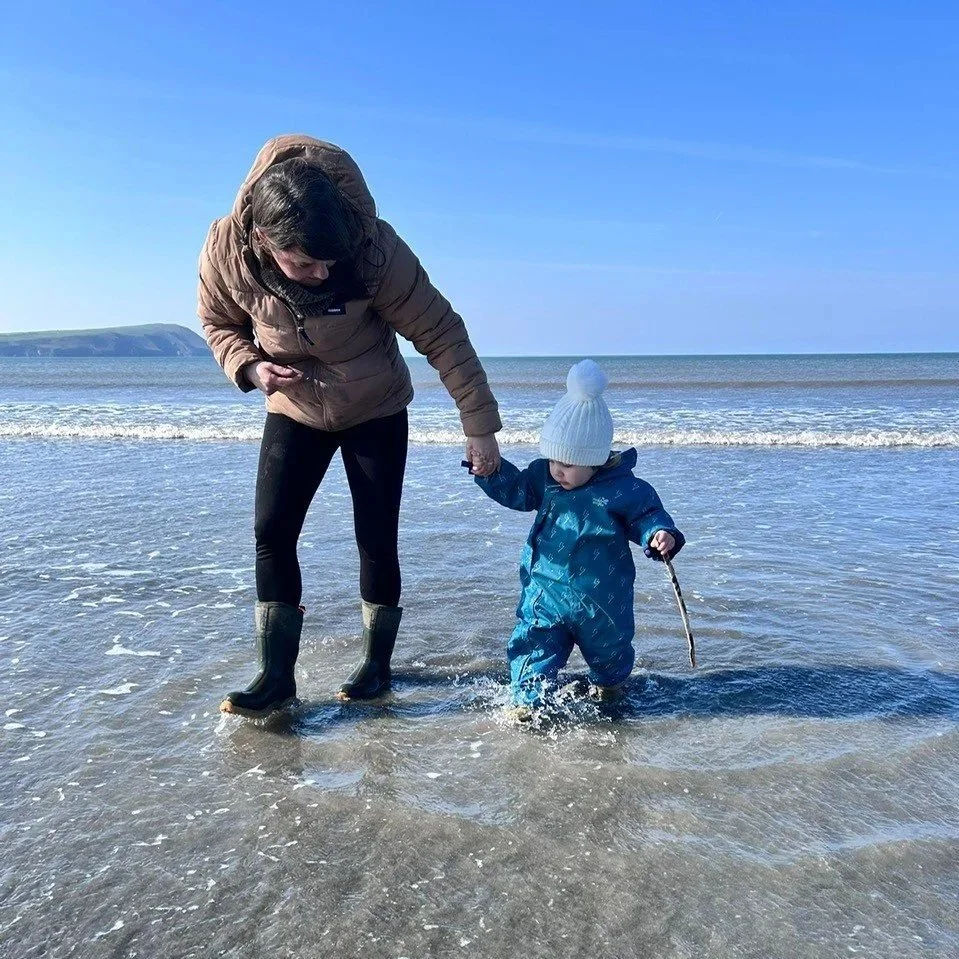
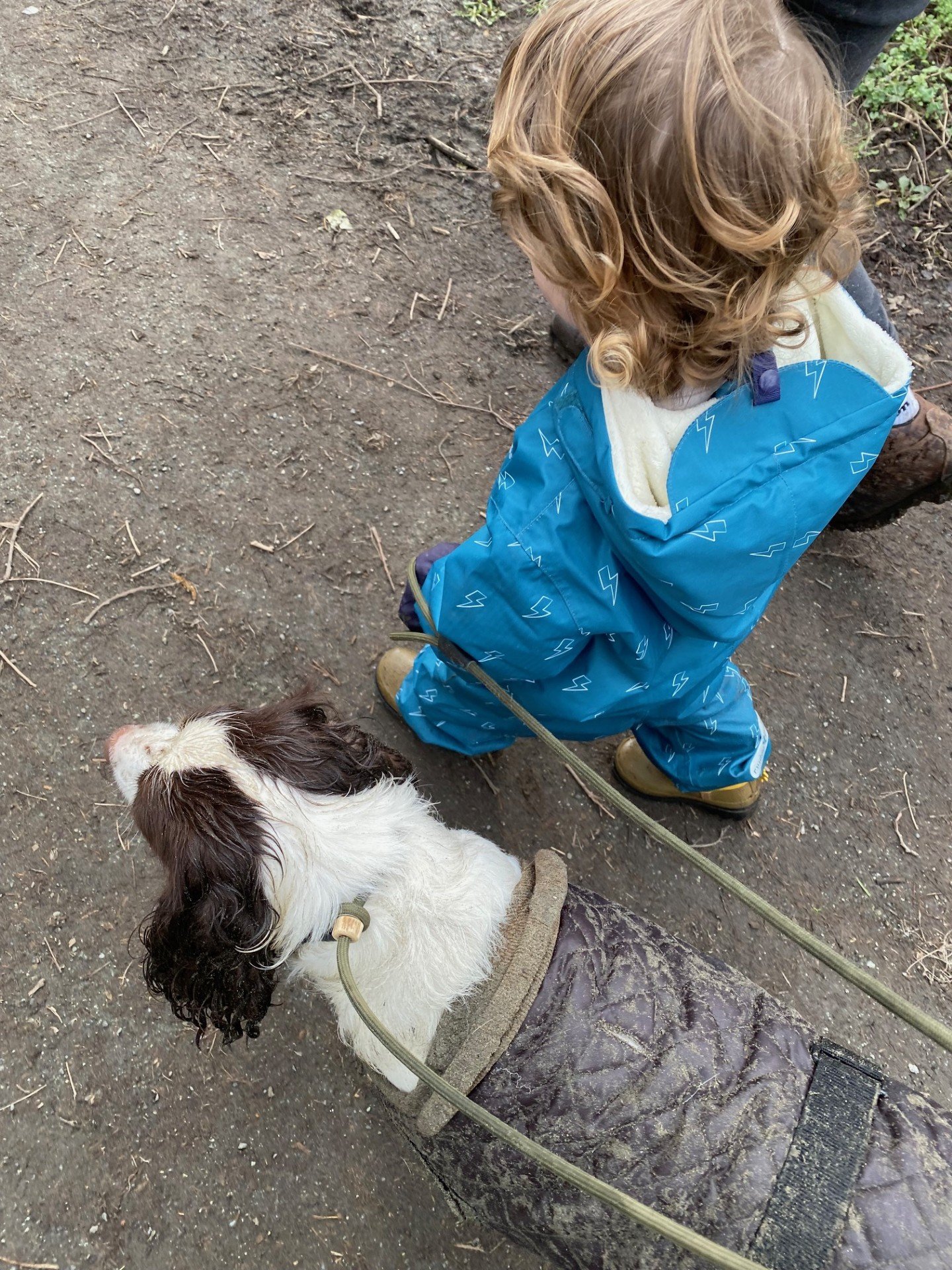
Then I watch my niece. She isn't even three years old, and she switches between Welsh and English so naturally. One minute she's chatting away in Welsh, the next she's answering in English, then she's back again without even noticing. She doesn't stop and choose a language. She doesn't think about which one belongs to her. They both do.
Watching her has been such a lovely reminder of how special that is. At the same time, seeing my boyfriend carefully learn each new Welsh word has made me look at the language differently. For him, every word is a little discovery. For her, it's simply home. And for me, it's something I'm learning to appreciate all over again.
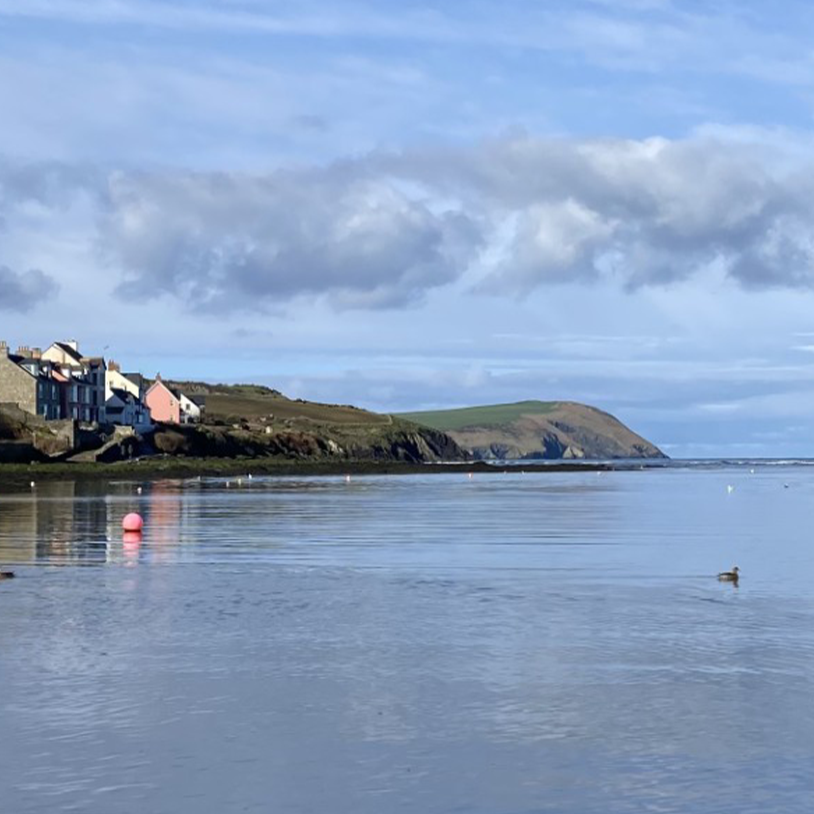
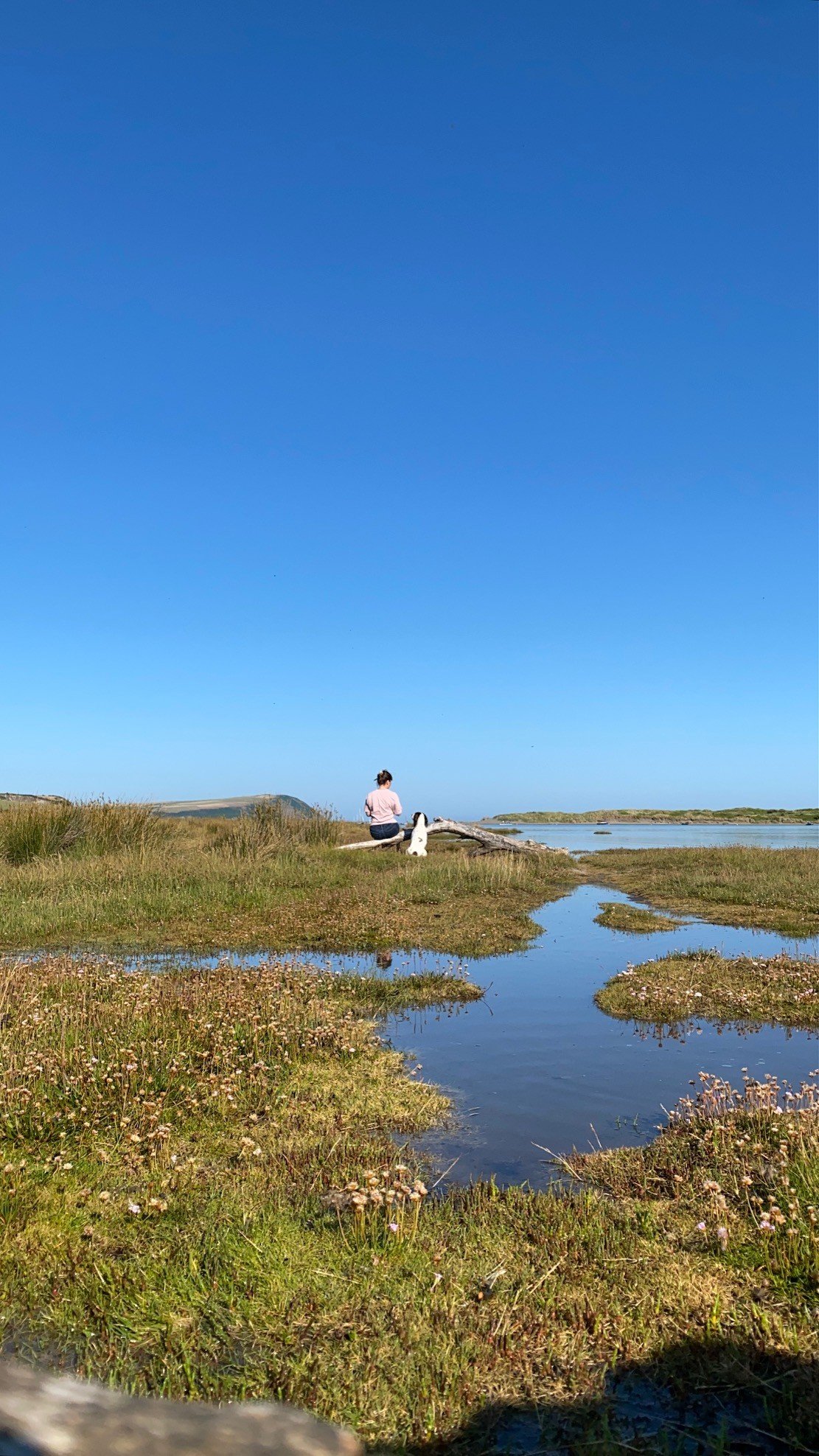
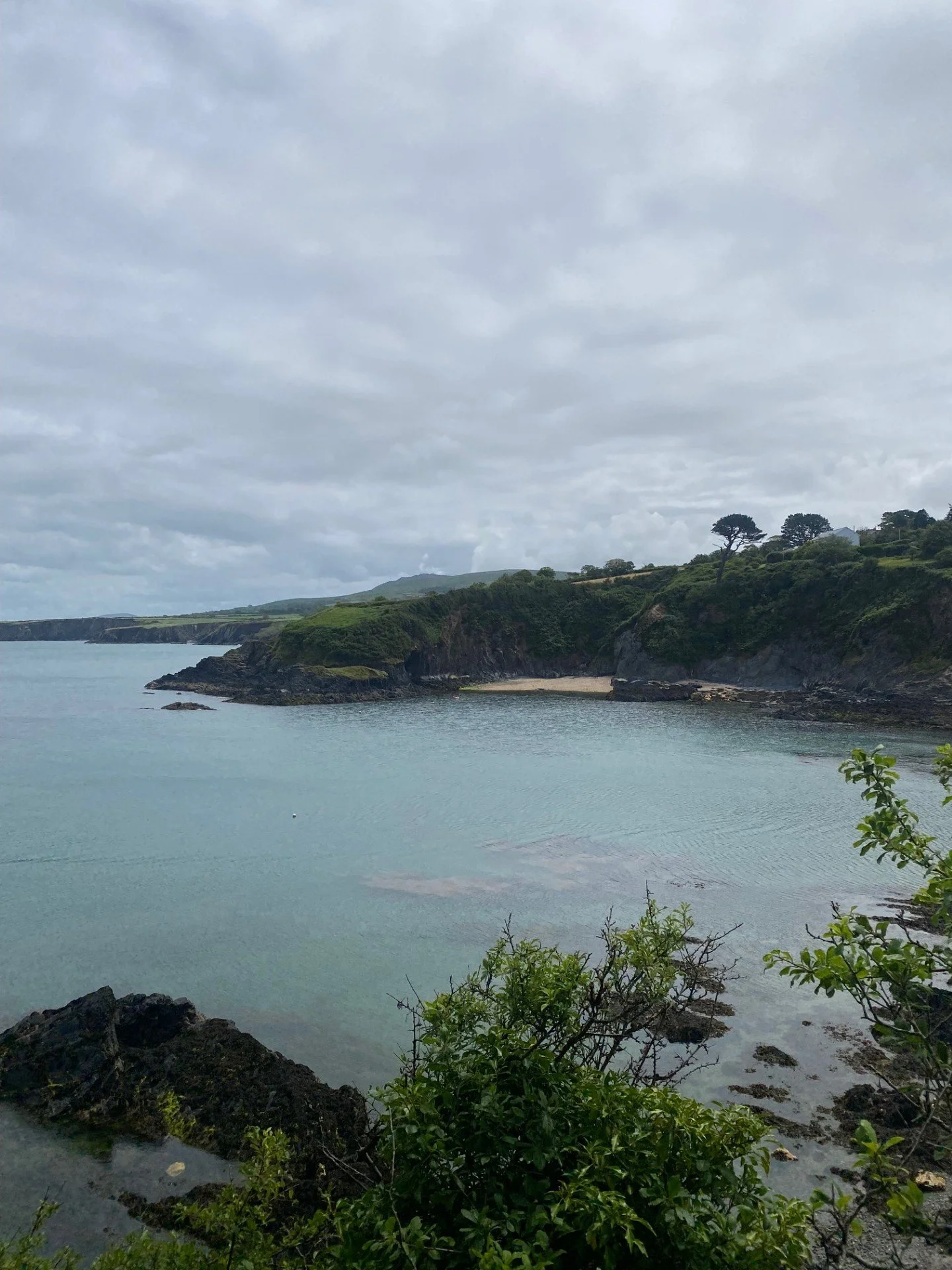
Living in Pembrokeshire, I often think about how much language shapes the way we see the places around us. Welsh place names are everywhere. They carry stories, memories and connections to the people who walked these paths before us.
A name is never just a name. It can tell us something about the land, the history and the way people have experienced a place for hundreds of years.
Perhaps that's why language and painting feel so connected to me. Both ask us to pay attention.
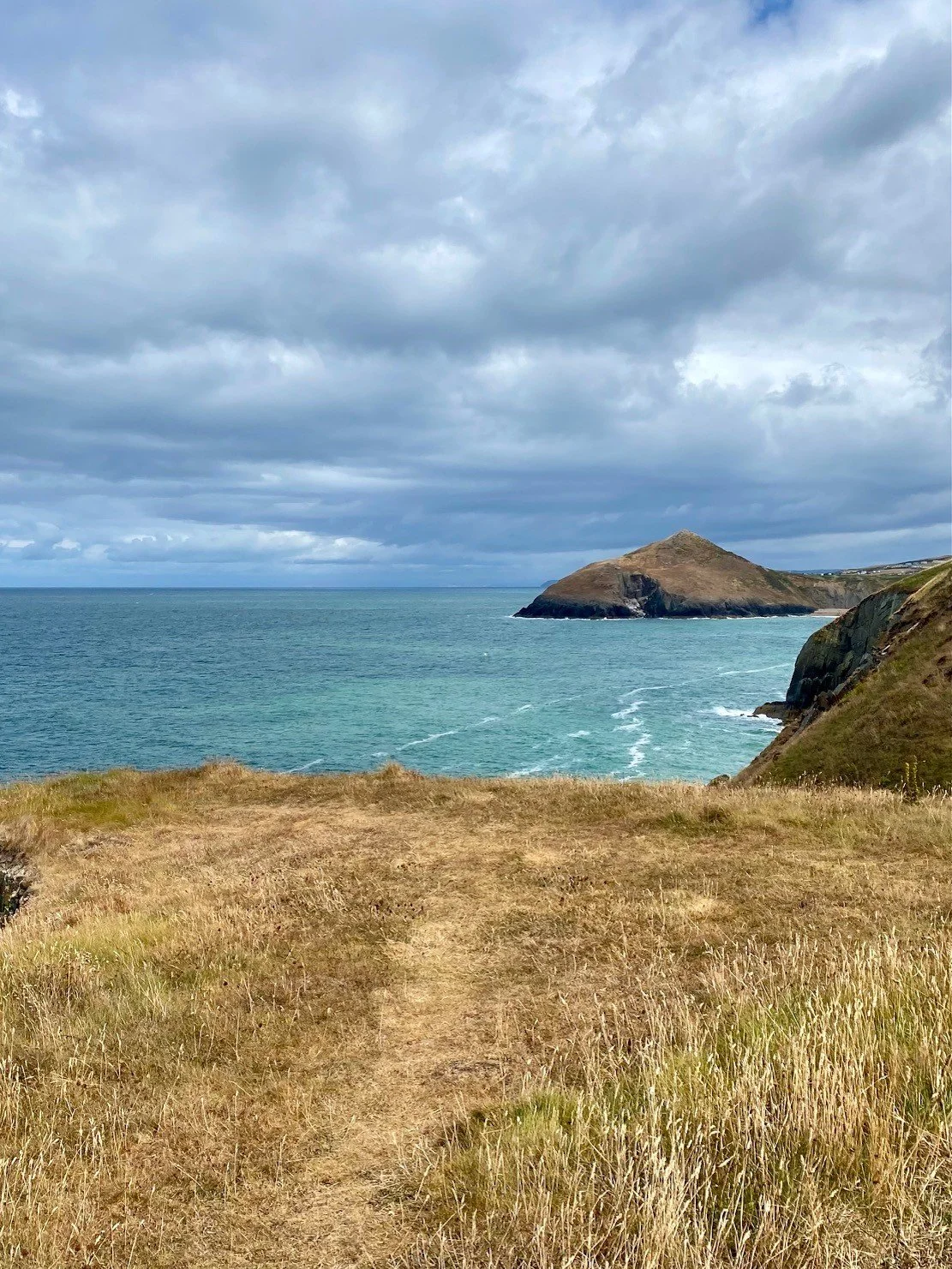
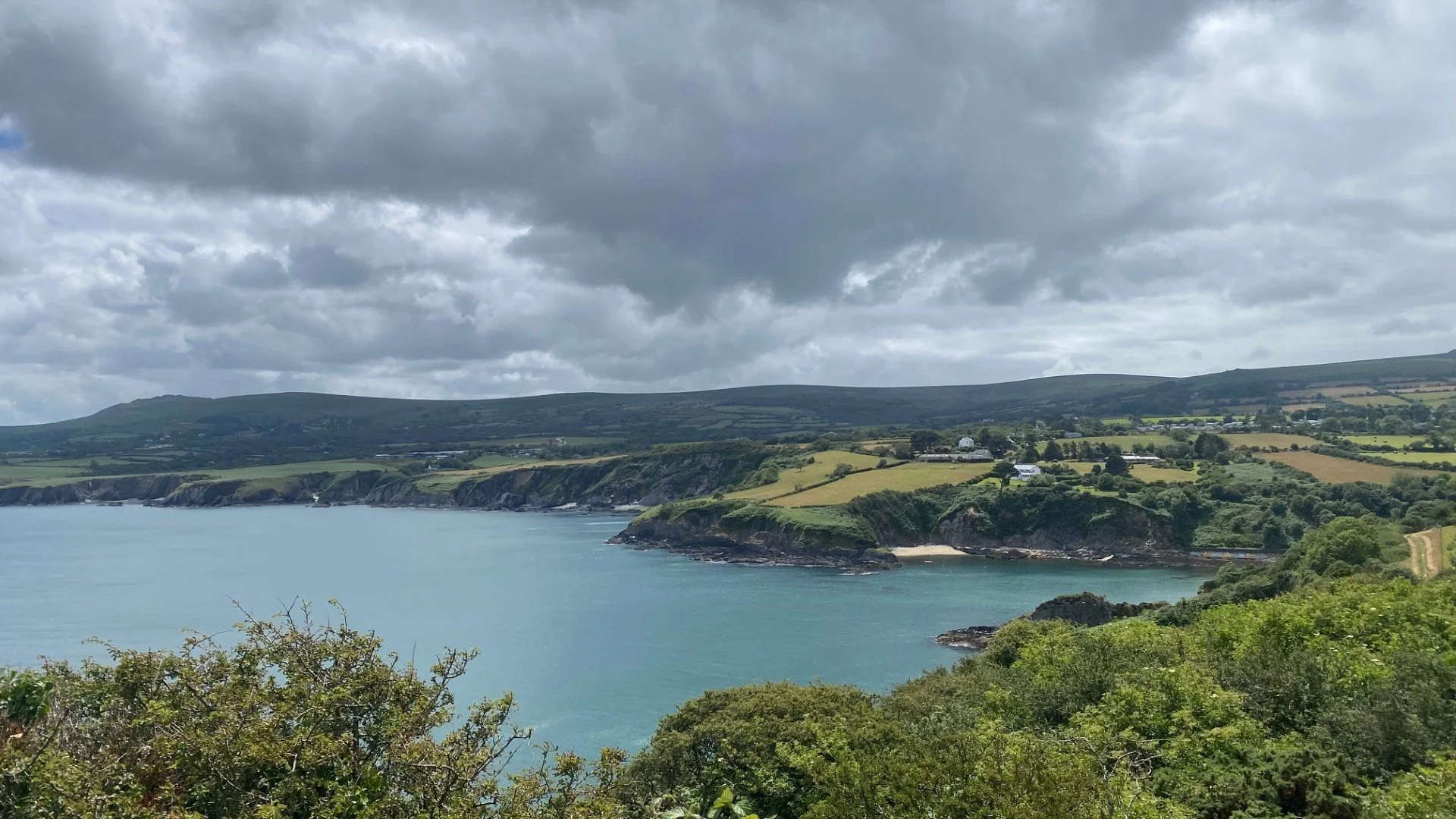
When I paint Pembrokeshire, I'm not just painting a view. I'm painting places that hold memories, stories and feelings. The coastline, the changing light, the colours of the fields and the names we give these places all become part of how I see home.
So, as the Eisteddfod arrives in Sir Benfro, I find myself feeling very grateful. Grateful that I grew up with Welsh around me. Grateful that I can share little pieces of it with someone discovering it for the first time. Grateful that my niece can grow up with Welsh feeling completely natural and completely hers.
And if you're coming to the Eisteddfod and would like to try a little Welsh, don't worry about getting it perfect.
Start with a friendly "Siwmae?" - a simple hello.
Say "Diolch" when someone helps you - a small word, but one you'll use often.
Say "Croeso" when you welcome someone - it means more than just hello; it carries that feeling of making someone feel at home.
And when it's time to leave, say "Hwyl!" - a lovely little word that means goodbye, but also feels like wishing someone well on their way.
A few words can go a long way. Because language isn't just something we learn. It's something we share.